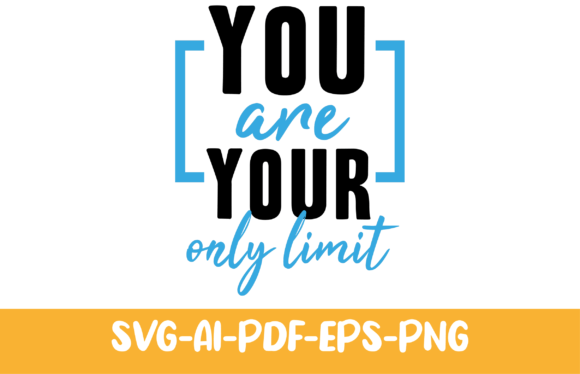
You Are Your Only Limit
As a designer and embroidery product reviewer, I’ve seen my fair share of inspirational quotes. But when it comes to practical use in real projects, not all designs are created equal. The You Are Your Only Limit design caught my attention for its simplicity and potential, but I wanted to see how it would hold up in actual embroidery work. Let’s break down what this design offers and where it might fall short.
The First Impression: A Motivational Message with Practical Potential
From the moment I opened the embroidery file, I noticed the clean layout and bold typography. The phrase itself is straightforward—no frills, no unnecessary details. It’s designed to be a statement, and that’s exactly what it is. The visual personality is uplifting, making it ideal for handmade products or personalized gifts that aim to inspire. The shape and theme suggest it belongs on something like a tote bag design, sweatshirt embroidery, or even a pillow cover.
The detail level is moderate. It doesn’t have intricate patterns or complex shapes, which makes it easier to stitch on a variety of fabrics. However, that also means it might not stand out as much on its own without proper styling or color contrast.
Real-World Embroidery Performance: Where It Shines and Where It Struggles
I tested You Are Your Only Limit on several different materials—cotton t-shirts, canvas tote bags, and even a lightweight sweatshirt. On standard fabrics, it stitched cleanly with minimal issues. The satin stitch and fill stitch worked well, and the stitch density was just right for most applications.
But there were some challenges. When I tried it on a thin fabric like a baby onesie, the design felt a bit too large. The hoop size required for the text made it hard to fit on smaller items without stretching the design. Similarly, on stretchy fabrics, the stitches tended to pull slightly, creating a slight distortion around the edges.
For holiday embroidery or wedding gifts, this design could work if paired with other elements. But on its own, it might not be the best choice for something like a custom apparel project where more visual interest is needed.
Where to Use It Carefully: Fabric, Size, and Design Considerations
This design isn’t suited for every application. If you’re planning to use it on textured fabrics or dark fabric, you’ll need to pay close attention to thread colors. The default color might not show up well against a dark background, so testing different options is crucial.
It also doesn’t do well on curved surfaces like caps or hoods. The straight lines of the text can look awkward when wrapped around a rounded edge. For embroidered patches or aprons, it might require some adjustment to ensure it sits properly on the garment.
If you're working with small hoop sizes, you may need to scale the design down. Otherwise, it could end up being too big for the space available. And for commercial embroidery projects, you’ll want to confirm that the digital embroidery file is compatible with your machine and that the licensing terms allow for resale or customization.
Impact on Visual Appeal and Customer Perception
When it comes to visual appeal, You Are Your Only Limit has a strong message but relies heavily on how it’s presented. On a printable mockup, it looks great. But when stitched onto a handmade product, the success depends on the fabric, thread color, and placement.
Customers often respond positively to motivational messages, especially when they’re used in personalized gifts or small shop merchandise. However, if the stitching isn’t done well, it can come off as cheap or unprofessional. That’s why stabilizer and proper stitch density are essential.
For Etsy sellers or craft business owners, this design could be a good addition to a collection of design assets, especially if paired with other motivational themes. But it needs to be marketed carefully to avoid overuse or dilution of its impact.
Practical Designer Notes: What You Should Know Before Using It
Before jumping into using You Are Your Only Limit in your next project, here are a few things to keep in mind:
- Test the design on scrap fabric first to see how it looks and feels.
- Check thread color contrast against the fabric you plan to use.
- Review stitch density to make sure it’s suitable for the material.
- Confirm the hoop size required and whether it fits your machine.
- Inspect small details like corners and lettering for any imperfections.
- Try it in black and white mockups to see how it translates visually.
- Compare it on both light and dark fabric backgrounds.
- Use the right stabilizer for the fabric type.
- Ensure it works for both personal and commercial projects.
- Confirm licensing before selling finished items or digital products.
Final Thoughts: A Simple Design with Big Potential
You Are Your Only Limit is a solid choice for those looking for a clean, motivational message to incorporate into their embroidery projects. It’s versatile enough to work on a range of items, from tote bags to holiday gifts, but it requires careful consideration when it comes to fabric, color, and placement.
As a designer, I’d recommend it for small shop products or handmade items where the message adds value. Just remember to test it thoroughly and tailor it to the specific needs of your project. With the right approach, this design can be a powerful tool in your creative arsenal.