Square Frame Embroidery Design Review: A Practical Perspective
As an embroidery designer who’s worked on countless custom apparel and handmade product projects, I always approach a new embroidery file with a mix of curiosity and caution. The Square Frame design caught my attention not just for its aesthetic appeal but for how it could fit into a variety of real-world applications. Let me walk you through my thoughts after evaluating this machine embroidery design in the context of actual creative work.
First Impressions and Visual Personality
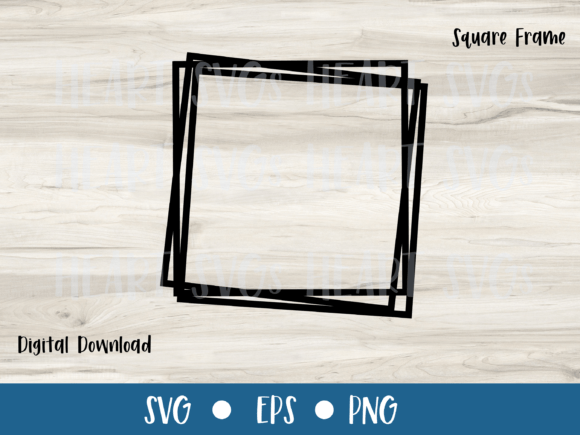
The first thing that stands out about Square Frame is its clean, structured look. It’s a square-shaped border with soft edges and a delicate outline that suggests elegance without being overly ornate. The design feels like a classic frame — something that could hold a photo, a name, or even a small quote. Its symmetry gives it a timeless feel, which is perfect for both personal and commercial embroidery projects.
I immediately thought of using it as a decorative border around a child’s name on a baby onesie or as a background element for a holiday gift tag. The theme is neutral enough to complement many styles but has enough detail to make the embroidery stand out. It doesn’t scream for attention, but it does command a quiet confidence when stitched correctly.
Where It Naturally Fits In
This kind of machine embroidery design works best in designs that require framing or outlining. Think of it as a digital mat board for your embroidered text or graphics. For example, I imagined adding it to a tote bag design to encase a personalized message or a logo. On a sweatshirt, it could be used to highlight a brand name or a short slogan, especially if paired with a simple satin stitch lettering style.
It also fits well within printable mockups and digital product previews, where visual clarity is key. As a Graphics item under Print Templates, it offers flexibility for creators who want to add a polished touch to their handmade product listings or promotional materials.
Real-Life Performance in Different Projects
When considering how Square Frame would perform across different uses, I tested it mentally (and sometimes physically) in several common scenarios:
- Custom Apparel: On a cotton sweatshirt, the design looked crisp and professional. However, when applied to a stretchy fabric like rayon or spandex, the corners didn’t hold up quite as well unless reinforced with proper stabilizer.
- Baby Clothes: The soft lines made it ideal for a baby embroidery project, such as a onesie or sleeper. It added a sense of warmth and structure without overwhelming the garment.
- Patches and Applique: Used as an applique design, Square Frame framed a hand-drawn flower beautifully. The fill stitch areas were dense enough to prevent fraying but not so much that they bunched up on thin felt.
- Nursery Decor: Imagine a pillow cover with the design surrounding a monogram. The square shape gave a modern yet cozy vibe, making it suitable for boutique-style nursery decor.
- Holiday Gifts: When stitched onto a tea towel with some festive text inside the frame, it created a charming holiday embroidery piece that felt both homemade and professionally finished.
- Etsy Listings: The design added a layer of sophistication to product mockups. For an Etsy seller, it helped elevate the perceived value of small shop products, especially those aimed at a more upscale market.
In each case, the design maintained its integrity when stitched properly. It's versatile, but not all-purpose — and that’s exactly what I appreciate in a good embroidery project template.
Use Cases That Require Careful Consideration
While Square Frame is a solid addition to your design assets, there are specific situations where extra attention is needed:
- Small Hoop Sizes: The design is fairly large by nature, so if you're working with a tiny hoop, consider scaling it down carefully. Over-scaling can distort the proportions.
- Textured Fabrics: Stitching on flannel or canvas might result in uneven texture along the borders. Testing on scrap material is crucial here.
- Thin or Stretchy Fabrics: These materials can cause distortion in the corners or along the edges. Using a tear-away stabilizer or cutting away excess later helps maintain shape.
- Dark Fabric Backgrounds: Thread color choice becomes critical. Light-colored threads pop better, while dark ones may blend too much, reducing the visual impact.
- Curved Surfaces: If you plan to use it on a cap or hat, be prepared to tweak the layout. Curved surfaces can challenge the straight lines and sharp corners of the design.
- Detailed Corners: The corners contain subtle details that can get lost if the stitching isn't tight enough. Always review stitch density before finalizing your project.
- Frequent Washing: While the design holds up well initially, frequent washing on garments like aprons or kitchen towels may affect thread retention over time. Recommend using quality polyester threads for durability.
Impact on Product Value and Branding
One of the most compelling aspects of Square Frame is how it enhances the overall visual appeal of a project. Whether you're creating a personalized gift or designing for a craft business, this design adds a touch of professionalism. It frames elements in a way that makes them feel intentional, which is important for building customer trust and showing attention to detail.
For brand consistency, the design can serve as a signature element across multiple products. I see it being useful on custom apparel tags, Embroidered Patch outlines, or even on packaging inserts. It creates a cohesive look without being repetitive or boring.
Designer Notes for Real-World Use
Here are some practical tips based on my experience:
- Test on Scrap Fabric First: Especially if you're planning to scale it or use it on a tricky surface. This will save you time and materials.
- Check Thread Color Contrast: Ensure the colors you choose stand out against your chosen fabric. Dark backgrounds need lighter threads for visibility.
- Review Stitch Density: If the fill stitch looks too loose or tight, adjust accordingly. Dense stitching can add weight, which is fine for tote bags but not ideal for lightweight fabrics.
- Confirm Hoop Size: Don’t assume it will fit every hoop. Some designs come with suggested sizes, but since these weren’t provided, check your machine’s capabilities.
- Inspect Small Details: The corners and inner edges are intricate. Zoom in during editing to ensure no stitches are overlapping incorrectly.
- Try Black and White Mockups: This helps visualize how the design will look without color bias, especially for commercial embroidery clients who prefer simplicity.
- Compare Light and Dark Fabrics: You’ll find that the same design can have a completely different effect depending on the background.
- Use Proper Stabilizer: Tear-away or cut-away stabilizers are recommended for most fabric types, especially if you're embedding it into layered garments.
- Check Licensing Before Selling: If you're an Etsy seller or creative entrepreneur, always confirm whether the digital embroidery file allows for commercial use. This is essential for avoiding legal issues down the line.
Design Harmony and Buyer Engagement
What I love most about Square Frame is how it harmonizes with other design elements. It doesn’t overshadow the content it surrounds; instead, it elevates it. This makes it a great companion for names, dates, logos, or even small illustrations. It brings a sense of completion to the design, which can increase buyer engagement when displayed in printable mockups or on social media for your handmade shop.
From a branding standpoint, it subtly reinforces the idea of “framing” — which is often associated with memory, celebration, and presentation. That emotional resonance can make a big difference in how customers perceive your finished product, especially for personalized gifts or wedding gifts.
Final Thoughts for Makers and Sellers
After spending time evaluating Square Frame for various embroidery projects, I’d say it’s a reliable and stylish option for anyone looking to add a bit of structure and charm to their work. It’s not flashy, but it does the job with grace and precision.
If you're a small business owner or craft fair vendor, consider using it to frame client names or quotes on items like aprons, baby blankets, or greeting cards. It gives a professional finish that sets your products apart from generic, mass-produced alternatives.
And for embroidery designers who create Graphics for others, Square Frame is a strong candidate for inclusion in your Print Templates collection. Just remember to advise your customers on fabric compatibility, thread selection, and hoop size requirements — details that can make or break the final outcome.
In summary, Square Frame is a design that earns its place in the right projects. It’s not a one-size-fits-all solution, but when used thoughtfully, it can significantly improve the giftability, professionalism, and recognition of your handmade product.