Ride or Die Biker Life Style Embroidery Design Review
As an experienced designer and embroidery product reviewer, I often find myself evaluating machine embroidery designs for their practicality in real-world projects. The Ride or Die Biker Life Style design caught my eye not just for its bold typography but for the kind of vibe it brings to a finished product. It's the kind of design that instantly tells a story—rebellious, confident, and rooted in a lifestyle many aspire to. Let me walk you through how this design holds up when applied to actual handmade and commercial embroidery work.
First Impressions: A Strong Visual Statement
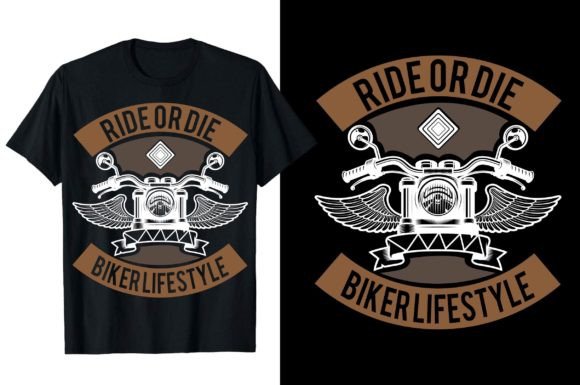
The Ride or Die Biker Life Style design is all about making an impact. From the moment you open the digital embroidery file, you're greeted with a strong typographic layout. The phrase is stylized with a rugged edge, featuring angular lettering that mimics the look of a well-worn leather jacket. This visual personality screams biker culture, making it perfect for custom apparel like t-shirts, sweatshirts, and even tote bags. The detail level is impressive without being overcomplicated, which is a big plus when considering stitch performance on different fabrics.
What stands out most is the balance between form and function. While the design feels edgy and expressive, it maintains enough clarity in its structure to be legible from a distance. That’s crucial if you’re using it on something like a cap or a patch where size limitations are tight. As someone who creates personalized gifts and small shop products, I appreciate the way the design carries a sense of authenticity—like it was hand-drawn by a true rider.
Real-Life Application Scenarios
Let’s say you're preparing a custom embroidered sweatshirt for a local motorcycle club. The Ride or Die Biker Life Style design could be the perfect statement piece. Its boldness fits well with the thick, soft fabric of a hoodie, and the contrast of thread colors can really pop against a light-colored base. For a tote bag design, especially one meant for daily use, this graphic would make a great focal point, particularly if stitched with satin stitches for a clean, polished finish.
If you're an Etsy seller or craft fair vendor, consider using this design as part of your handmade product lineup. It works exceptionally well on aprons or pillow covers where a large hoop size allows for more intricate stitch patterns. The design’s adaptability makes it suitable for both personal and commercial embroidery projects, offering value across a wide range of applications.
For boutique branding or small shop merchandise, integrating this into a printable mockup can help showcase your offerings effectively. It adds a layer of professionalism while staying true to the laid-back, no-nonsense spirit of biker aesthetics. The same goes for holiday embroidery or wedding gifts—this design can be reimagined with softer thread colors to maintain its essence without clashing with festive themes.
Design Versatility Across Products
- T-Shirts: The design reads well on medium to large sizes. Use a fill stitch in the background for texture, or go with a simple running stitch outline for a cleaner look.
- Sweatshirts: Thicker fabric allows for denser stitch areas, so don’t shy away from adding dimension with layered effects or metallic threads.
- Patches: Ideal for embroidered patches on jackets or jeans. Test stitch density to ensure durability after repeated washing and wear.
- Tote Bags: Great for tote bag designs due to the flat surface and larger hoop compatibility. Make sure to secure edges with proper stabilizer.
- Baby Clothes: If you're thinking of baby embroidery, adjust the scale and simplify the details. The phrase might be too intense for smaller items unless softened.
- Caps and Hats: The curved surface requires careful placement and possibly adjusting the design for symmetry. Small hoop sizes demand attention to detail.
Where to Use Carefully
While the Ride or Die Biker Life Style design is versatile, there are some situations where caution is needed. On thin or stretchy fabrics, such as those used in activewear, the design may lose its sharpness unless you reinforce it with the right stabilizer. Textured fabrics can also pose challenges; the raised stitches might accentuate the fabric's grain instead of blending smoothly.
Dark fabric backgrounds can dull the visual appeal, so it's worth experimenting with thread color options before finalizing your project. If you're working on detailed corners or tiny lettering within the design, you’ll need to test these elements on scrap fabric first to ensure they hold up under stitching pressure.
Products that require frequent washing, like tea towels or blankets, will benefit from lower stitch density to prevent distortion or puckering. Also, if you're planning to embroider on layered garments, like denim jackets or quilted vests, be mindful of how the design interacts with the layers—it might need adjustments to avoid gaps or misalignment.
Designer Notes for Best Results
- Test on Scrap Fabric: Before committing to a full project, run a trial stitch to see how the design behaves on your chosen material.
- Check Thread Color Contrast: Especially important for black and white mockups. Dark thread on dark fabric can blend into the background, reducing visibility.
- Review Stitch Density: Dense stitch areas might cause tension issues. Adjust accordingly based on fabric type and intended use.
- Confirm Hoop Size: Make sure your hoop can accommodate the full design, including any decorative accents or margins.
- Inspect Small Details: Look closely at corners and inner lines to ensure they won't break or become uneven during stitching.
- Use Proper Stabilizer: Whether tear-away or wash-away, choose the right stabilizer to support the design and preserve its shape.
- Compare Light and Dark Backgrounds: See how the design adapts visually. Some thread combinations may not work well on darker materials.
- Verify Licensing: If you're an Etsy seller or planning to sell digital embroidery files, confirm the licensing terms to protect yourself legally.
Impact on Product Value and Customer Appeal
When used thoughtfully, the Ride or Die Biker Life Style design significantly enhances the visual appeal of a handmade product. Customers recognize the phrase instantly, which boosts recognition and buyer engagement. It speaks directly to a niche audience—those who love biking, rock music, or just want to express a tough, independent attitude.
From a brand consistency perspective, this design helps establish a clear identity if you're selling motorcycle-themed merchandise. It contributes to customer trust by showing attention to detail and a deep understanding of what appeals to the target market. The design also elevates the perceived value of the finished product, whether it’s a custom t-shirt or a personalized gift.
Its professional appearance means it can easily transition from hobbyist use to commercial embroidery projects. When displayed in a printable mockup or listed in an Etsy shop, it looks polished and ready for production. Just remember, the key to maximizing its potential lies in how well you match it to the right product and audience.
Final Thoughts for Embroidery Designers and Sellers
In summary, the Ride or Die Biker Life Style design is a powerful asset for any craft business or creative entrepreneur looking to add a touch of rebellion and authenticity to their product line. It's not just another T-shirt design—it's a conversation starter that can bring life to everything from sweatshirt embroidery to embroidered patches.
However, as with any machine embroidery design, success depends on how well you understand the design assets and adapt them to your specific needs. Always review the stitch count and file formats (if provided), and never assume compatibility with every machine or fabric. Take the time to test and tweak, and you'll end up with a finished product that customers will love and keep coming back for.
If you're an embroidery designer, a handmade shop owner, or simply a hobbyist looking to elevate your craft, this design deserves a place in your collection. Just approach it with the curiosity and care that come with real project use, and you'll unlock its full potential.